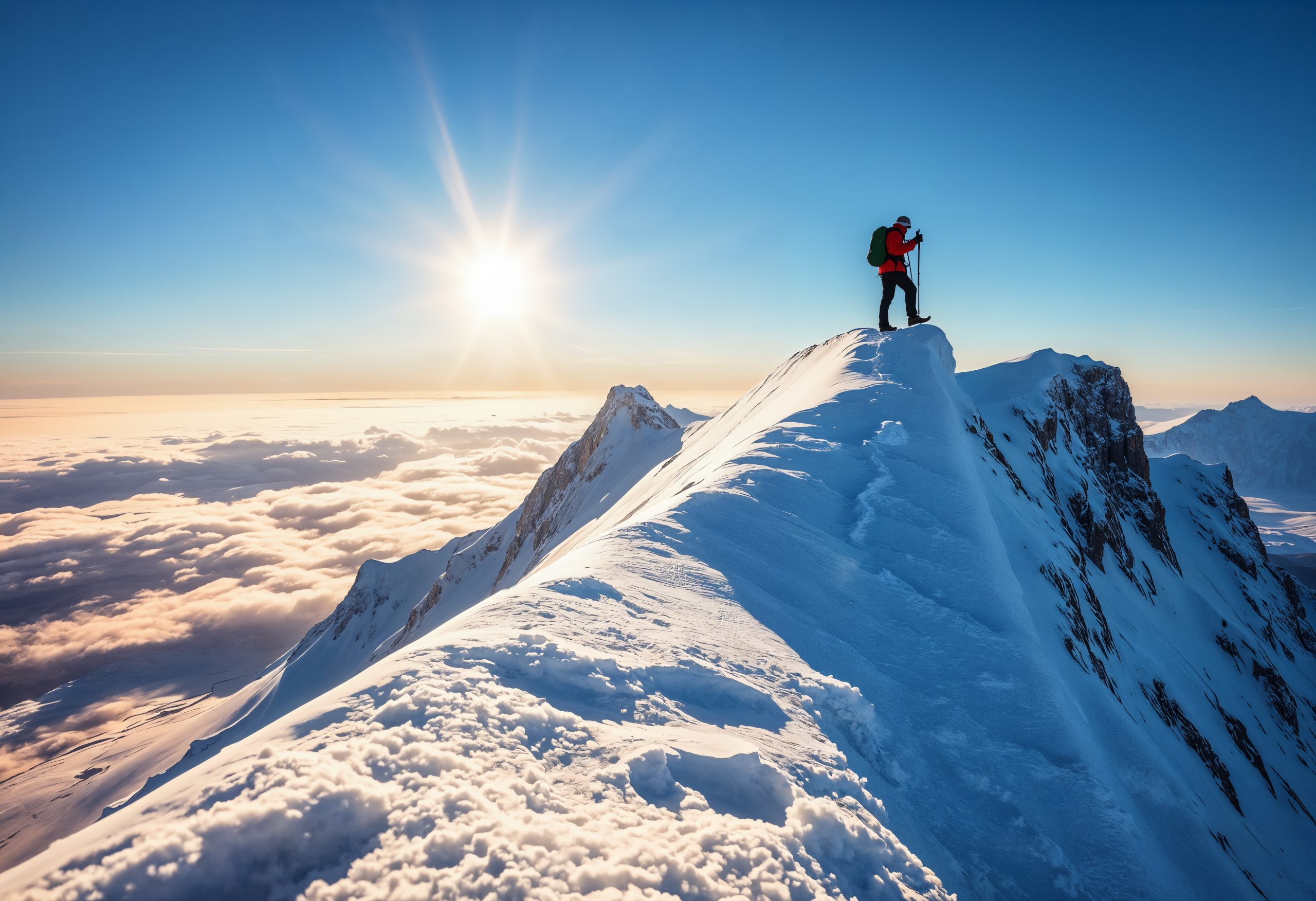
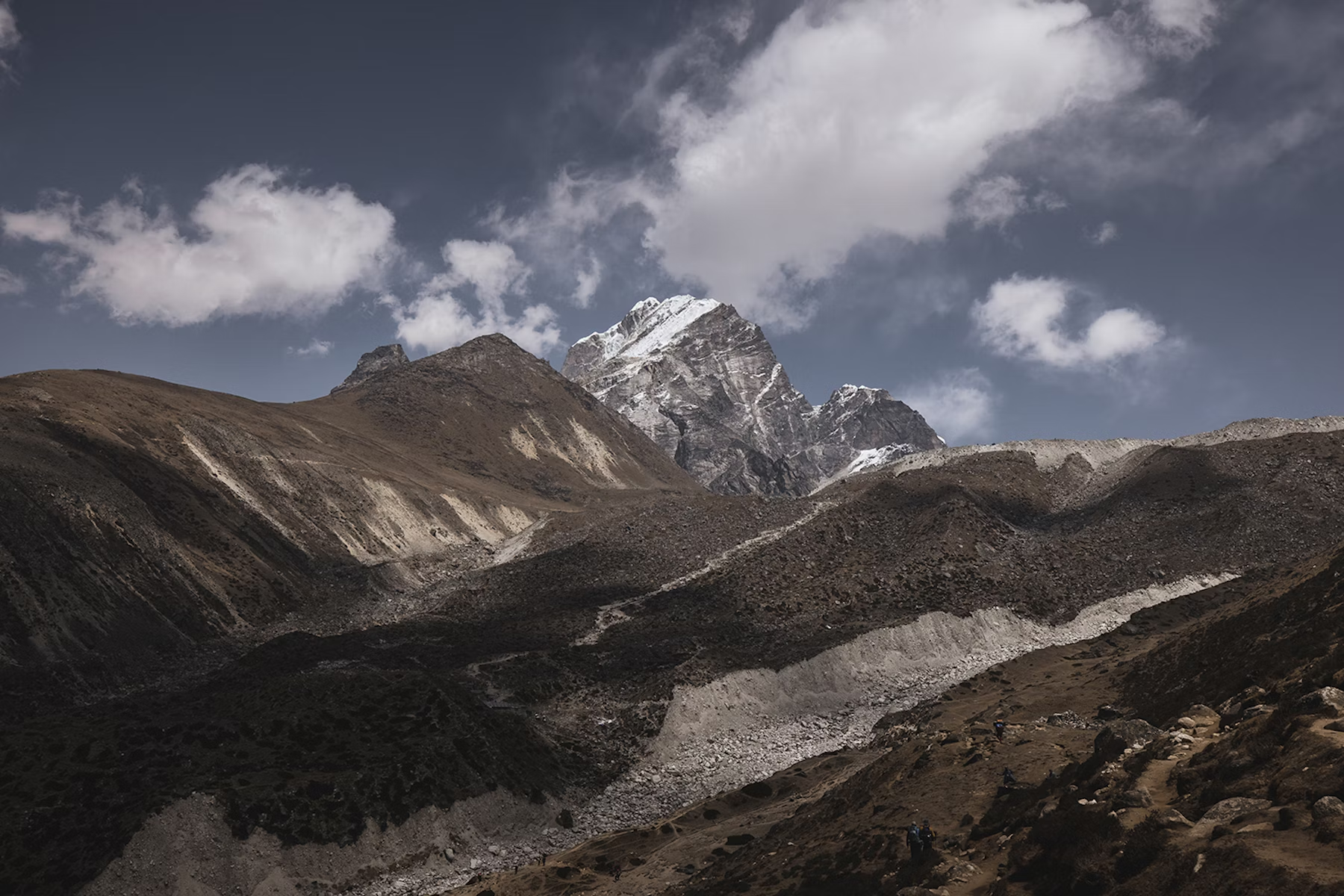
Mera Peak Summit: A High-Altitude Himalayan Adventure
With a height of 6,461 meters (21,190 feet), Mera Peak is one of Nepal’s most famous trekking peaks, drawing thrill-seekers from all over the world. Mera Peak, which is in the Solu-Khumbu region, is Nepal’s highest trekking peak. It gives trekkers the chance to reach the top of a Himalayan peak without having to go on a full-on mountaineering expedition. This trek is perfect for people who want to see the Himalayas’ stunning beauty and climb a peak with great views of Mount Everest, Makalu, Cho Oyu, and Lhotse, among other peaks.
Many people say that the Mera Peak trek is both difficult and rewarding, so trekking fans should definitely do it. With the help of the Alpine Club of Himalaya, a well-known tour company, trekkers can have a safe and well-planned trip that includes all the permits, lodging, and help with logistics. If you’re a seasoned trekker or a beginner mountain climber, the top of Mera Peak gives you a unique chance to experience the Himalayas in a way that very few people will ever get to.
Why Should You Pick Mera Peak Summit?
Beautiful Views of Everest and Other High Peaks
As soon as hikers reach the top of Mera Peak, they are rewarded with stunning views of Mount Everest, Makalu, Lhotse, and Cho Oyu, among others. The breathtaking views from Mera Peak make it a top choice for trekkers who want to see how grand the Himalayas are.
Trekking Peak without having to know how to climb steep walls
You can reach the top of a Himalayan peak from Mera Peak without needing to be an expert mountain climber. The climb is difficult, but it’s doable for trekkers who have been to high elevations before. With the right help from experienced guides, even people who have never been rock climbing before can make it to the top.
Just the right amount of adventure and natural beauty
You will see beautiful forests, alpine meadows, and cute Sherpa villages on the Mera Peak trek. You’ll be trekking through the heart of the Everest region and taking in Nepal’s stunningly beautiful landscapes. The trail takes you through a wide range of beautiful natural areas, from rhododendron forests to snow-capped peaks.
Acclimatisation Days to Keep You Safe
There are days built into the trek to Mera Peak called “acclimatisation” that help hikers safely get used to being at higher elevations. This slow pace keeps people from getting altitude sickness and makes the climb safer. It’s a well-planned trip for trekkers who want to reach the top.
Trek that is Easy to Get to and Well-Ordered
A scenic flight from Kathmandu to Lukla makes it easy to get to the Mera Peak trek. From there, the hike is doable, and there are several breaks along the way to help you get used to the altitude. Professional organisers, such as Alpine Club of Himalaya, make sure that trekkers have a smooth experience with every part of their trip, from getting permits to finding a place to stay to getting around.
Immersion in the Sherpa way of life
Trekkers can learn about Sherpa culture as they walk along the trail. As you trek, you’ll see a lot of beautiful villages, meet friendly people, and learn about the unique traditions of the Sherpa people. This will add a cultural element to your trip.
A Huge Sense of Accomplishment
You really feel like you’ve accomplished something when you reach the top of Mera Peak. The Nepalese Himalayas’ highest trekking peak, the summit gives trekkers an amazing sense of victory that can change their lives. The difficulties of the trek make the accomplishment feel even better.
Led by Professionals with Years of Experience
Alpine Club of Himalaya makes sure that trekking trips are safe and well-planned. Their professional team gives advice, takes care of logistics, and makes sure safety measures are in place. Their in-depth knowledge of the area and elevation will make sure that your Mera Peak expedition goes well and is fun.
Perfect for People Who Like to Take Risks
Trekkers who want an exciting challenge but don’t want to deal with all the technical aspects of a full-on mountaineering expedition will love Mera Peak. It has just the right amount of adventure, physical difficulty, and amazing rewards.
Memories That Last
When you reach the top of Mera Peak, you’ll remember the breathtaking views, physical accomplishments, and cultural discoveries for a long time. Trekkers will remember the experience for a long time, which makes it a top choice for people looking for a meaningful Himalayan trekking trip.
Mera Peak summit is a great place to test your skills and see one of the most beautiful parts of the world, whether you’ve been trekking for years or this is your first time climbing a mountain. Alpine Club of Himalaya will make sure that your trip to Mera Peak is safe, well-planned, and an experience you will never forget. You can see the Himalayas like never before from the top of Mera Peak. Don’t miss the chance to feel like you’re on top of the world.
The Best Time to Walk to the Top of Mera Peak
The best times to try to reach the top of Mera Peak are in the spring before the monsoon and in the autumn after the monsoon. When it comes to trekking and climbing in the Everest region, these months have the best weather. Here is a full explanation of each season to help you choose the best time for your Mera Peak adventure.
Spring (from March to May)
Spring is a great time to hike to the top of Mera Peak. The weather is pretty stable at this time of year, with clear skies and mild temperatures. In the spring, you can see the surrounding mountains, such as Mount Everest, Makalu, and other peaks, very clearly, which makes the experience very beautiful. It’s not too cold, which makes it easier to get used to the altitude and enjoy the walk.
Good things about spring:
- The sky was clear, and you could see the Himalayan peaks very well.
- Temperatures that are just right for hiking and climbing.
- The stable weather makes it perfect for getting used to the altitude.
- The lower parts get less snow, which makes trekking easier.
Fall (September to November)
This walk to the top of Mera Peak is also great in the autumn, when the weather is clear and stable. After the monsoon season, the trails are lush and the skies are usually clear, so you can see the peaks very well. Even though it’s cooler than spring, the temperatures are still manageable, making trekking a fun activity. People who like to hike often choose the autumn months because the trails are well-kept and the weather is perfect for trying to reach the top.
Good Things About Autumn
- The weather was crisp and clear, and you could see the mountains in the distance.
- Trails that are dry and good for trekking.
- Perfect for climbing to the top of Mera Peak because the weather is nice.
- Best for getting used to the altitude and making steady progress up the mountain.
Winter (December through February)
Although winter can be a better time for trekking because it is less crowded, it is not the best time to reach the top of Mera Peak. At higher elevations, the temperatures drop a lot, and when it snows a lot, the trails can be hard to find your way through. The weather isn’t always stable, and the push to the top gets harder. You can still go trekking in the winter, though, if you are well-prepared and like a more exciting challenge.
Bad things about winter:
- Very cold weather, especially at higher elevations.
- There is a greater chance of snowstorms and rough trail conditions.
- Clouds and fog make it hard to see.
- Needs more winter gear and more experience.
Rainy Season (June to August)
The monsoon season is not a good time to go on the Mera Peak summit trek. During these months, it rains a lot in the area, which can make trekking hard because the trails are slippery and there is a chance of landslides. It’s hard to tell what the weather will do, and the rainy conditions make it likely that flights to Lukla will be delayed.
Bad things about the monsoon:
- Trails could get wet and slippery, and there is a high chance of rain.
- Flights to Lukla are delayed and there aren’t many options.
- Clouds and rain make it hard to see.
- Conditions for trekking are tough, especially at higher elevations.
Spring (March to May) and autumn (September to November) are the best times to reach the top of Mera Peak. The weather is great during these months, making it easy to get used to the altitude, and the views of the Himalayas are breathtaking. These times of the year are the best and safest for trekking and climbing if you want to reach the top of Mera Peak.
Foods
Meals are an important part of the Mera Peak Summit trek because they give you the energy to complete this difficult journey. In teahouses and lodges along the trail, you’ll eat a variety of hearty meals, such as traditional Nepali dishes like Dal Bhat (lentil soup with rice), Momos (dumplings), and Tibetan bread. When you get to higher elevations, the meals are simpler but still healthy. Noodles, pasta, and vegetable dishes will keep you going. The Alpine Club of Himalaya makes sure that all of your meals are made fresh and cleanly, which will help you stay strong as you train to reach the top of Mera Peak.
Water for Drinking
When hiking to the top of Mera Peak, which is 6,461 meters (21,190 feet) high, it’s important to drink plenty of water. The Alpine Club of Himalaya makes sure that trekkers can find clean water to drink along the way. At lower elevations, you can get water from safe sources. But as you go up, teahouses and campsites will offer boiled or filtered water to lower the risk of getting sick from water. As an extra safety measure, you should bring a water purification system or tablets. Staying hydrated is important to avoid getting altitude sickness and keep your body ready for the summit push.
Place to Stay
Trekkers on the Mera Peak Summit trek can stay in teahouses and lodges along the trail. These are simple but comfortable places to rest after each day’s hike. The rooms are shared and have basic things like beds, blankets, and places to eat together. As you go higher, the places to stay get simpler. At Mera High Camp, you’ll stay in tents for a more rough experience before you reach the top. The Alpine Club of Himalaya makes sure that all of your accommodations are comfortable and safe, so you can get a good night’s sleep and be ready for the tough days ahead.
Level of Difficulty
The Mera Peak summit trek is a difficult high-altitude adventure that is only for experienced trekkers who have been to high elevations before. Due to its steep ascents and rough terrain, the trek requires a high level of fitness and stamina. To reach the top of Mera Peak, which is 6,461 meters (21,190 feet) high, you don’t need to be a technical climber, but you will have to deal with difficult conditions like steep trails, rocky paths, and bad weather. Acclimatisation is very important for the success of the trek. The Alpine Club of Himalaya makes sure you’re ready for this challenge by planning a well-thought-out schedule that includes days to help you get used to the altitude and stay safe.
Getting Used to It
Acclimatisation is a very important part of reaching the top of Mera Peak. As you hike up, your body has to get used to the thinner air, which can cause altitude sickness if you don’t take care of it properly. The Alpine Club of Himalaya plans days for rest and getting used to the altitude, especially in Khare and Mera High Camp, so that your body can get used to it more slowly. On these days, trekkers can rest and explore the area, which helps their bodies get used to the altitude. This careful approach to managing altitude makes it more likely that the climb to the top of Mera Peak will go well and safely.
Why Acclimatisation is Important
Acclimatisation is an important part of both the Mera Peak summit trek and any other high-altitude trip. The air gets thinner and there is less oxygen in it as trekkers go higher up. If they aren’t careful, this can cause altitude sickness. Acclimatisation helps your body slowly get used to the lower oxygen levels and lowers your risk of getting sick from the altitude, making your trek safer and more enjoyable. In this process, rest days are taken at important elevations like Thangnak, Khare, and Mera High Camp, and short hikes are done to help the body get used to the new environment. Adequate acclimatisation makes your body work better, gives you more energy, and raises your chances of reaching the summit. The Alpine Club of Himalaya plans the Mera Peak itinerary so that trekkers have the best chance of safely reaching the top. This is done by including days for acclimatisation.
Insurance for Travel
Getting travel insurance is an important part of getting ready for the Mera Peak summit trek. Full travel insurance should cover things like hiking at high elevations, medical bills, emergency evacuation, and having to cancel a trip. It is strongly suggested by the Alpine Club of Himalaya that trekkers get insurance that covers the risks of hiking at elevations above 6,000 meters. This covers things like medical emergencies, evacuations, and trips that have to be cut short. Trekkers can be protected against unplanned events like weather delays, health problems, or accidents on the way to the summit if they have travel insurance.
An ID and a Passport
You will need a valid passport and a visa to enter Nepal in order to hike to the top of Mera Peak. Your passport must be valid for at least six months after the date you plan to enter Nepal. You can get a tourist visa for Nepal at Tribhuvan International Airport in Kathmandu when you arrive, or you can get one ahead of time from the Nepalese embassy in your home country. For ease of use, the Alpine Club of Himalaya suggests that trekkers apply for the visa ahead of time. You can get a visa for 15, 30, or 90 days, depending on how long you plan to stay. Make sure your passport and visa are up to date before you leave so that your Mera Peak expedition doesn’t get held up.
Getting Around
As you walk along the Mera Peak summit trek, you’ll see beautiful mountain scenery, dense forests, glacial rivers, and high-altitude terrain. Trekkers will see a variety of ecosystems, from subtropical plants in the lower parts to alpine conditions closer to the top. The Himalayas are both beautiful and rough, making the experience both unique and difficult. The landscape gets more barren as hikers go higher, with snow-capped peaks and glaciers all around the high camps. The Alpine Club of Himalaya makes sure that all trekkers know how to treat the fragile environment and the people who live in the area.
Peace of Mind and Safety
When trekking to Mera Peak, safety and security are very important. The Alpine Club of Himalaya takes many steps to make sure trekkers are safe, such as providing experienced guides, the right gear, and emergency plans. There are risks that come with trekking at high altitudes, such as getting altitude sickness and being in bad weather. The Alpine Club of Himalaya gives trekkers thorough pre-trip briefings that help them understand the risks and how to avoid them. There are trained guides and emergency plans in place to make sure that all trekkers have a safe trip. These plans include access to rescue services and helicopter evacuations. The trek is safer and more secure overall thanks to good acclimatisation, high-quality gear, and support teams.
Dealing with Bad Weather
When you’re trying to reach the top of Mera Peak, bad weather can really make or break your trip. The trail goes through a range of climates. Lower elevations experience subtropical warmth, while higher elevations experience freezing temperatures, strong winds, and snowstorms. Trekkers should always be ready for rough weather in the Himalayas because the weather can change quickly. The Alpine Club of Himalaya makes sure that trekkers have the right gear and clothes for the weather and plans the trek for the best months (spring and autumn) to avoid problems caused by bad weather. For a safe and successful summit, you need to be ready for cold weather and strong winds.
The Weather Report
When hiking to Mera Peak, it’s important to check the weather forecasts ahead of time to avoid dangerously extreme weather. The Alpine Club of Himalaya keeps a close eye on weather reports for the Himalayas, which include changes in temperature, snowfall, and storm warnings. Even though the weather in the mountains is hard to predict, the Alpine Club of Himalaya plans daily treks with the help of reliable sources. Trekkers are also taught how to deal with and adjust to sudden changes in the weather, like when the temperature drops quickly or snowstorms happen. Trekkers can make changes to their plans as needed to stay safe on the way to the summit if they stay informed.
Full Range of Guiding Services and Gear
The Alpine Club of Himalaya offers full-service guiding to make sure that your Mera Peak summit trek goes well. Certified and experienced guides lead trekkers through difficult terrain, making sure they stay safe and get the job done quickly. These guides know a lot about mountain navigation, first aid, and trekking at high altitudes. Trekkers can also get high-quality gear from the Alpine Club of Himalaya, such as climbing gear, sleeping bags, tents, insulated jackets, and cooking gear. For a safe and comfortable walk, especially on Mera Peak, you need to make sure you have the right gear. All the gear is checked to make sure it works well and is of good quality. This makes sure that trekkers are ready for every part of the trip.
How Fit You Are and What You Need
Trekkers must be in good shape to successfully reach the top of Mera Peak. The trek has rough terrain, is at a high altitude, and requires long days of walking. To handle the physical demands of the trek, you need to have a lot of endurance, strength, and stamina. For Mera Peak, you don’t need to know how to climb technically, but you should know how to walk at high elevations. Before going on a trek, the Alpine Club of Himalaya suggests that trekkers get in shape by doing cardio exercises like swimming, hiking, or running, and strength training to make their muscles last longer. Trekkers can handle the tough climbs and long days of the trek if they are physically ready for them.
Getting Ready and Training
- Proper preparation and training are essential for the Mera Peak summit trek.
- Trekkers need to be physically fit and aware of weather and altitude challenges.
- The Alpine Club of Himalaya provides detailed training plans including:
- Endurance improvement tips
- Breathing techniques
- Altitude adaptation strategies
- Practicing hikes at high elevations helps mentally and physically prepare for the summit.
- A well-prepared trekker gains the strength and confidence to reach Mera Peak’s summit.
What the Alpine Club of Himalaya Does to Help You Reach the Top of Mera Peak
- Handles all trek logistics: permits, accommodations, and meal planning.
- Provides experienced guides with deep knowledge of the trail, local culture, and mountain safety.
- Offers support with:
- Trekking and climbing gear
- Weather updates
- Emergency services
- Ensures trekkers are fully prepared for challenges on the trek.
- Guarantees a safe and memorable summit experience.
Making Up the Mera Peak Summit Team
- A well-organised team is crucial for safety and enjoyment.
- Key team roles include:
1. Guides for Hiking
- Certified guides skilled in high-altitude trekking and navigation
- Trained in first aid and altitude sickness prevention
2. Guides for Climbing
- Experts in mountaineering and summit techniques
- Provide gear and ensure technical safety during the climb
3. Porters
- Carry food, equipment, and personal belongings
- Maintain the group’s energy by managing heavy loads
4. Cooking
- Prepares nutritious, high-calorie meals
- Supports team energy, especially at higher altitudes
5. Leader of the Team (Expedition Leader)
- Oversees entire trek: logistics, permits, coordination
- Makes critical decisions in challenging situations
6. Medical Help (Optional)
- Recommended for larger or riskier expeditions
- Provides immediate assistance in case of injuries or altitude sickness
7. Help from the Alpine Club of Himalaya
- Manages all planning and logistics
- Provides support from Lukla to the summit
- Ensures safety, acclimatisation, and seamless trekking experience
Facilities and Setup of Camp for the Mera Peak Summit
1. Teahouses for Staying (Lower Altitudes)
- Located between Lukla and Khare
- Basic amenities: beds, blankets, meals, and shared bathrooms
- Clean and culturally immersive accommodation ensured by the Alpine Club
2. Camps with Tents (Higher Altitudes)
- Used above Khare, such as Base Camp and High Camp
- Equipped with waterproof tents, sleeping bags, and pads
High Altitude Camp Setup:
- High-quality tents for cold and windy conditions
- Dining tents for meals and social interaction
- Toilet tents for hygiene and privacy
3. A Place to Cook
- Professional cooks prepare energy-dense, digestible meals
- Teahouse meals at lower altitudes
- Portable kitchens used as altitude increases
Meal Highlights:
- Balanced nutrition: carbs, proteins, and fats
- Options for local, Western, vegetarian, and dietary needs
4. Comfort and Safety
- Tents are insulated and weather-resistant
- Guides monitor altitude sickness symptoms
- Emergency response plans are in place
5. Where and How to Set Up the Camp
- Strategic site selection for safety and acclimatisation
- Example: Mera High Camp (5,780m) positioned for summit readiness
- Camps arranged for comfort and rest
6. Helpful People and Porters
- Porters carry loads, set up camp, and ensure smooth logistics
- Alpine Club team ensures coordinated camp management
7. Talking to People and Emergencies
- Satellite phones or walkie-talkies used for communication
- Emergency evacuation plans in place
- First-aid kits and essential medical supplies available
Lukla Flight and Alternatives
The journey to the Mera Peak summit trek typically starts with a flight to Lukla, a small mountain airstrip in Nepal’s Solukhumbu district. Lukla is known for its challenging runway and dramatic approach, but it is the most convenient access point for trekkers heading to Everest Base Camp, Mera Peak, and other popular trekking routes in the Everest region. However, due to the challenging nature of the Lukla flight, trekkers often look for alternatives depending on their preferences and conditions.
The flight from Kathmandu to Lukla is one of the most scenic and thrilling aspects of the Mera Peak trek. The flight takes about 30-40 minutes, offering stunning views of the Himalayan mountains, including Mount Everest, Lhotse, and Makalu. The plane typically flies from Tribhuvan International Airport in Kathmandu to Tenzing-Hillary Airport in Lukla. The airport’s runway is short, with one end dropping off sharply into a valley, which makes for an exhilarating but sometimes turbulent approach. Weather conditions in the region can often delay or cancel flights, so trekkers need to be flexible with their schedules. The Alpine Club of Himalaya helps manage the logistics of the flight, providing advice on potential delays and rebooking flights if needed.
Lukla Flight Delays and Weather Challenges
Due to its location in the Himalayas, the flight to Lukla is subject to weather challenges. The high winds, cloud cover, and frequent rain or snowstorms in the region can cause delays or cancellations. Since Lukla Airport operates on a small-scale schedule, it can be affected by weather, especially during the monsoon season (June to September) or the winter months (December and January). To avoid significant delays, it’s recommended to build extra days into your schedule to account for possible flight cancellations or changes.
Alternatives to Flying to Lukla
Trekking from Jiri to Lukla:
For trekkers seeking an alternative to the flight, the trek from Jiri to Lukla is a popular option. This journey takes 5-6 days and is a wonderful way to acclimatize to the altitude before starting the Mera Peak trek. The route passes through traditional villages, lush forests, and beautiful landscapes, allowing trekkers to experience the culture of the Sherpa people. However, this alternative requires more time and energy, adding days to the trek.
Helicopter to Lukla:
A more luxurious and fast alternative is to take a helicopter from Kathmandu to Lukla. The helicopter ride is much quicker, usually taking 15-20 minutes, and offers an exclusive, scenic way to reach Lukla. Helicopter services are available but can be significantly more expensive than regular flights. The Alpine Club of Himalaya can assist with arranging helicopter flights for those who prefer this option for convenience or time-saving reasons.
Jeep or Road Access (to Salleri):
Another alternative is to travel by jeep or road transport to Salleri, a town located below Lukla, and then trek up to Lukla. The journey to Salleri by jeep from Kathmandu takes about 12-14 hours and is generally more affordable than flying. From Salleri, it’s a 2-3 day trek to Lukla. This option is suitable for those who prefer overland travel or want to avoid the unpredictability of flights to Lukla.
Ramechhap to Lukla Flight:
An increasingly popular alternative to flying directly from Kathmandu to Lukla is to take a flight from Ramechhap. Ramechhap Airport, located about 130 kilometers east of Kathmandu, serves as an alternate departure point for flights to Lukla. The flights from Ramechhap to Lukla operate on a similar schedule and typically take around 30-35 minutes. This option helps alleviate the congestion and flight delays often experienced at Kathmandu Airport, as Ramechhap is less crowded and the flights are more reliable. The Alpine Club of Himalaya can assist in organizing flights from Ramechhap, ensuring a smooth transition for trekkers. However, note that you will need to travel to Ramechhap from Kathmandu by road, which takes about 4-5 hours, adding an extra travel day to your itinerary.
The Lukla flight is the most common and convenient way to access the Mera Peak summit trek, but it’s important to be prepared for potential delays or cancellations due to weather conditions. For trekkers seeking alternatives, the trek from Jiri, helicopter rides, and jeep rides to Salleri provide viable options, each with its own set of advantages. Regardless of your choice, the Alpine Club of Himalaya ensures that all logistics are smoothly handled, providing professional guidance and support throughout your journey.
Lukla Flight and Costs
Flying to Lukla is a crucial step for your Ama Dablam expedition, as it serves as the primary gateway to the Everest region. The flights from Kathmandu to Lukla are known for their stunning aerial views of the Himalayas, making them a memorable part of your journey.
Cost
The cost for a one-way flight from Kathmandu to Lukla is approximately $215 USD per person. This fare may vary slightly based on the airline and the time of booking, so it’s advisable to book in advance to secure the best rates.
Operating Airlines
Several airlines operate flights between Kathmandu and Lukla, each offering unique services and schedules:
- Sita Air: Known for its reliability, Sita Air offers regular flights with experienced pilots familiar with the challenging terrain.
- Tara Air: Another popular choice, Tara Air provides frequent flights and is recognized for its commitment to safety and customer service.
- Summit Air: Summit Air is also a reputable airline, offering flights that cater to trekkers and climbers heading to the Himalayas.
- Yeti Airlines: With a strong track record in domestic flights, Yeti Airlines also operates routes to Lukla, ensuring a comfortable travel experience.
Given the short flight duration—typically around 30 to 40 minutes—this journey is not only practical but also offers breathtaking views of the mountains, making it a highlight of your expedition. It’s important to note that flights can be subject to delays or cancellations due to weather conditions, so flexibility in your travel plans is recommended.
TIMS Permits and Summit Fees
When preparing for the Mera Peak summit trek, trekkers must secure the necessary permits and fees required to access the trekking regions and summit the peak. These permits ensure trekkers are in compliance with Nepal’s trekking regulations, while also ensuring safety and environmental protection. The Alpine Club of Himalaya will assist you in obtaining all the required permits and summit fees for a hassle-free trekking experience.
TIMS Permits for Mera Peak Trek
The Trekkers’ Information Management System (TIMS) permit is mandatory for all trekkers in Nepal. It is designed to monitor trekkers’ movements and ensure their safety, especially in remote areas. For the Mera Peak trek, obtaining a TIMS permit is essential, and it can be issued either individually or for a group of trekkers.
Sagarmatha National Park Entry Permit
The Mera Peak trek takes you through the Sagarmatha National Park, which is home to some of the highest peaks in the world, including Mount Everest. As this park is a protected area, trekkers must obtain an entry permit to access the park. This permit is separate from the TIMS permit and ensures the protection of the park’s unique flora, fauna, and environment.
Mera Peak Climbing Permit (Summit Fee)
Since Mera Peak is a Trekking Peak according to the Nepal Mountaineering Association (NMA), trekkers are required to secure a climbing permit to summit the peak. This permit is essential for any attempt on Mera Peak and grants you permission to access the climbing route and summit the peak.
Other Fees and Considerations
- Cultural and Environmental Fees:
While trekking in certain regions like Namche Bazaar, there may be additional cultural or environmental fees. These small fees contribute to the conservation and preservation of the local communities and natural environment.
- Helicopter Evacuation (Optional):
In case of emergencies, some trekkers opt for helicopter evacuation insurance. While this is not a required fee, it is advisable to arrange for this option for added safety. The Alpine Club of Himalaya can assist in organizing this coverage for trekkers who wish to take extra precautions.
Securing the appropriate permits is an integral part of the Mera Peak summit trek. The TIMS permit, Sagarmatha National Park entry permit, and Mera Peak climbing permit are necessary for a safe and legal trek. The Alpine Club of Himalaya ensures all necessary documentation is completed for trekkers, enabling a smooth and seamless adventure in the Himalayas.
Cancellations Policy
Cancellation by the Participant:
- If a participant decides to cancel their trip, they must notify the Alpine Club of Himalaya as soon as possible.
- Cancellations made 60 days or more before the trip will incur a fee of 20% of the total cost.
- Cancellations made between 30 to 59 days before the trip will incur a fee of 50% of the total cost.
- Cancellations made less than 30 days prior to departure will result in a forfeiture of the entire payment.
Cancellation by the Organizer:
- If the Alpine Club of Himalaya cancels the expedition due to unforeseen circumstances, such as extreme weather conditions, natural disasters, or safety concerns, participants will receive a full refund or the option to reschedule for a later date.
Force Majeure:
- The Alpine Club of Himalaya is not liable for any additional costs incurred due to cancellations resulting from force majeure events (e.g., natural disasters, political unrest, or health emergencies).
At the Alpine Club of Himalaya, your safety is our highest priority. We reserve the right to cancel the trip or alter the itinerary whenever necessary to ensure the well-being of all participants. Given the unpredictable nature of remote mountainous regions, various factors—such as adverse weather conditions, the health of group members, and natural disasters—can necessitate these changes. In such situations, we ask for your understanding and full cooperation with the designated group leader appointed by our team.
Rest assured, we will strive to adhere to the planned itinerary as closely as possible while prioritizing your safety and comfort. Your trust and collaboration are vital as we navigate the challenges of high-altitude expeditions together.