

Skip to content

Everest Base Camp Altitude Sickness – Symptoms, Prevention & Safety Tips

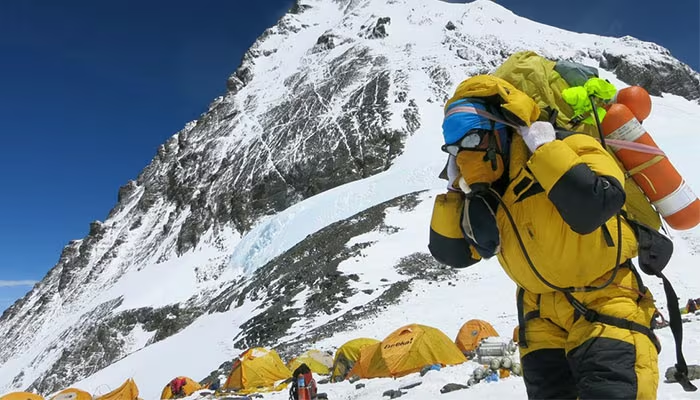
Trekking to Everest Base Camp (EBC) is one of the world’s most iconic adventures.
Set in Nepal’s majestic Himalayas, this journey offers unforgettable mountain panoramas and deep cultural encounters.
But while the Everest Base Camp Trek draws thousands of trekkers each year, one of its biggest challenges is altitude sickness—a condition caused by the body’s struggle to adapt to lower oxygen levels at high elevations.

Understanding altitude sickness, its symptoms, and how to prevent it is essential for a safe and successful trek to Everest Base Camp.
With the right preparation, you can minimize risks and fully enjoy the adventure of a lifetime.

What Is Altitude Sickness?

Altitude sickness, or Acute Mountain Sickness (AMS), occurs when your body cannot adjust to the reduced oxygen levels found at high altitudes.
As you ascend, the air becomes thinner, making it harder for your body to get enough oxygen.

Mild AMS symptoms can include:

  • Headache
  • Dizziness
  • Nausea or vomiting
  • Fatigue
  • Shortness of breath
  • Difficulty sleeping
  • Loss of appetite

If left untreated, altitude sickness can progress to more serious conditions like:

  • High Altitude Pulmonary Edema (HAPE): fluid in the lungs
  • High Altitude Cerebral Edema (HACE): fluid in the brain

Both HAPE and HACE are life-threatening and require immediate medical attention.

Symptoms to Watch For

Recognizing the early warning signs of altitude sickness can save lives.
Be alert for:

  • Persistent headaches or dizziness
  • Shortness of breath, even at rest
  • Nausea or vomiting
  • Confusion or loss of coordination
  • Chest tightness or a persistent cough with frothy fluid

If symptoms worsen, descend immediately and seek medical help.

How to Prevent Altitude Sickness on the EBC Trek

Prevention is the key to enjoying a safe and rewarding Everest Base Camp trek.
Follow these expert tips:

1. Gradual Ascent

Never climb too high too quickly.
Above 3,000 meters, limit your daily altitude gain to 300–500 meters and schedule regular rest days.

2. Acclimatization Days

Rest days in places like Namche Bazaar (3,440 m) and Dingboche (4,410 m) allow your body to adapt before moving higher.

3. Stay Hydrated

Drink 3–4 liters of water per day. Avoid alcohol and excess caffeine, which dehydrate the body.

4. Eat Carbohydrate-Rich Meals

Carbohydrates provide the energy your body needs at high altitude and support better acclimatization.

5. Pace Yourself

Walk at a steady, comfortable pace. Overexertion increases the risk of AMS.

6. Consider Preventive Medication

Ask your doctor about Diamox (acetazolamide), which can help reduce symptoms of altitude sickness.

7. Listen to Your Body

Never ignore warning signs.
If you feel unwell, stop ascending. Descend if symptoms persist or worsen.

What to Do If You Develop Altitude Sickness

If you or a fellow trekker experience AMS symptoms, take these steps immediately:

  • Descend to a Lower Altitude:
    Even a drop of 500–1,000 meters can significantly improve symptoms.
  • Rest and Hydrate:
    Take a break, drink plenty of water or electrolyte solutions, and avoid alcohol.
  • Seek Medical Assistance:
    Severe cases may require supplemental oxygen, medications like dexamethasone or nifedipine, or emergency evacuation.

Prompt action can prevent altitude sickness from becoming life-threatening.

Preparing for the Everest Base Camp Trek

Proper preparation greatly reduces the risk of altitude sickness and enhances your trekking experience.

Physical Fitness

Start training 3–4 months in advance with cardio exercises (running, hiking, cycling) and strength workouts to build endurance and leg power.

Essential Gear

Invest in high-quality trekking boots, warm layered clothing, a down jacket, gloves, a reliable sleeping bag, a water purification system, and sun protection (hat, sunglasses, sunscreen).

Travel Insurance

Ensure your policy covers high-altitude trekking, medical emergencies, and helicopter evacuation in Nepal.

Choose a Trusted Trekking Agency

A reputable operator, such as The Alpine Club of Himalaya, provides experienced guides, carefully planned itineraries, and proper acclimatization schedules to keep you safe.

Important Safety Note

At The Alpine Club of Himalaya, your safety is the top priority.
The trek leader may adjust or cancel the itinerary in response to weather conditions, group health, or natural events. Your cooperation in such situations ensures the safety of everyone on the trail.

Final Thoughts

The Everest Base Camp Trek is a once-in-a-lifetime journey to the foot of the world’s highest mountain.
By understanding the risks of altitude sickness, planning a gradual ascent, and trekking with experienced guides, you can safely enjoy the breathtaking Himalayan landscapes, Sherpa culture, and unforgettable views of Mount Everest.

With proper preparation and awareness, you’ll not only reduce the dangers of altitude sickness but also create memories that will last forever.
Annapurna Base Camp Trek – A Scenic Journey into the Heart of the Himalayas

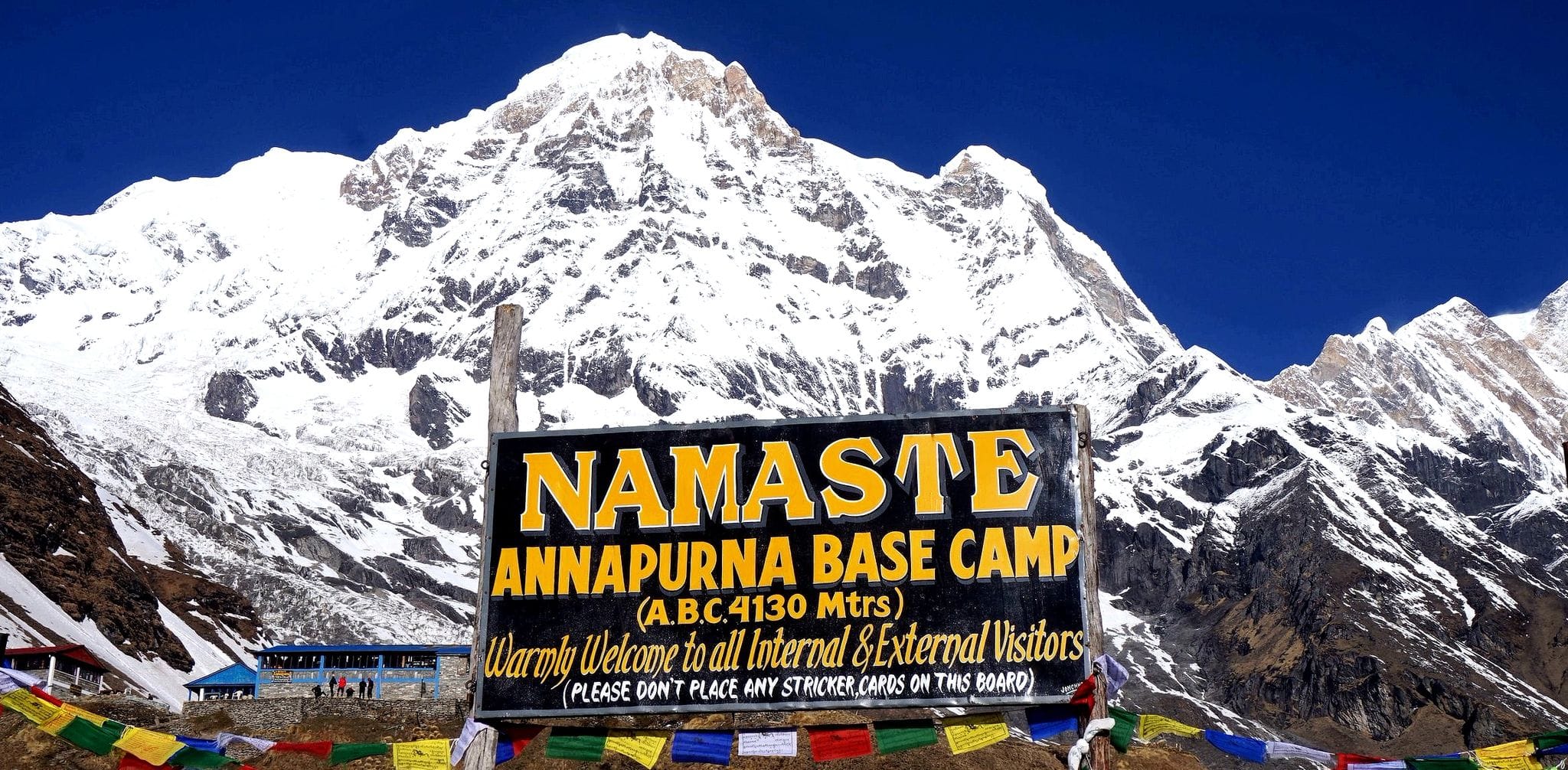
The Annapurna Base Camp Trek (ABC Trek) is one of Nepal’s most loved trekking adventures.
Set in the breathtaking Annapurna region, this journey combines stunning Himalayan scenery, charming Gurung villages, and the thrill of standing at the base of Annapurna I (8,091 m)—the world’s tenth highest mountain.
Whether you’re a seasoned trekker or a first-time hiker, the ABC trek offers the perfect balance of natural beauty and cultural discovery.

Highlights of the Annapurna Base Camp Trek

The ABC trek unfolds through a landscape of incredible diversity.
Your adventure begins in Pokhara, a lakeside city known for its peaceful vibe and views of the Annapurna and Machapuchare ranges. From here, the trail leads you through lush rhododendron forests, terraced farmlands, and alpine meadows, revealing new vistas at every turn.

Along the way, you’ll pass through traditional villages such as Ghandruk, Chhomrong, and Deurali, where warm Gurung hospitality welcomes trekkers from around the world. The final approach to Annapurna Base Camp (4,130 m) opens to a breathtaking 360-degree panorama of towering Himalayan giants including Annapurna South, Machapuchare (Fishtail), Hiunchuli, and Gangapurna.

Daily Experiences on the Trail

Each day on the Annapurna Base Camp Trek offers a unique blend of scenery and culture.
You’ll walk through dense bamboo groves, cross sparkling rivers on suspension bridges, and climb gradual stone stairways built by local villagers. Evenings are spent in cozy teahouses, where you can relax with a cup of ginger tea, enjoy hearty Nepali meals like Dal Bhat, and share stories with fellow trekkers under a starry mountain sky.

Accommodation and Meals

Comfortable teahouse lodges provide clean rooms, warm blankets, and shared bathrooms along the route.
Menus feature a mix of Nepali, Tibetan, and Western meals—perfect fuel for long trekking days. Many lodges also offer Wi-Fi and charging stations for a small fee.

Difficulty and Fitness

The Annapurna Base Camp Trek is considered moderate in difficulty and is suitable for trekkers with average fitness levels.
Expect 4–6 hours of hiking per day, with steady ascents and plenty of opportunities to acclimatize. No technical climbing skills are needed, making it an excellent choice for both beginners and experienced hikers.

Best Time to Trek Annapurna Base Camp

The most popular seasons for the ABC trek are:

  • Spring (March–May): Mild temperatures, rhododendrons in full bloom, and clear skies.
  • Autumn (September–November): Stable weather and breathtaking mountain views.

Winter offers crisp landscapes but colder conditions, while the monsoon (June–August) brings rain and leeches along lower trails.

Responsible Trekking and Safety

The trek lies within the Annapurna Conservation Area, a protected region rich in biodiversity.
Trekkers are encouraged to minimize plastic waste, use refillable bottles, and respect local customs. Licensed guides and porters help ensure a safe and enjoyable journey, adjusting the pace or route if needed due to weather or health concerns.


Why the Annapurna Base Camp Trek Is Unforgettable

  • Stand at the base of Annapurna I surrounded by a natural amphitheater of Himalayan peaks.
  • Experience Gurung culture and traditions in picturesque mountain villages.
  • Trek through diverse landscapes, from subtropical forests to high alpine terrain.
  • Capture once-in-a-lifetime photographs of Machapuchare’s striking fishtail peak.

The Annapurna Base Camp Trek is more than a hiking adventure—it’s a journey into the soul of the Himalayas.
Whether you choose the classic 11-day trek or a longer Annapurna Sanctuary itinerary, every step brings breathtaking views, cultural encounters, and memories that last forever.

Everest Base Camp Trek – A Legendary Journey to the Foot of the World’s Highest Mountain

The Everest Base Camp Trek (EBC Trek) is one of the most iconic adventures on earth.
This legendary journey takes you deep into the heart of Nepal’s Khumbu region, offering breathtaking mountain scenery, Sherpa culture, and the unforgettable experience of standing at the base of Mount Everest (8,848 m) the highest peak in the world.

Highlights of the Everest Base Camp Trek

From the very first day, the Everest Base Camp Trek delivers spectacular Himalayan views and cultural encounters.
A thrilling flight from Kathmandu to Lukla sets the tone as you land on one of the world’s most dramatic mountain airstrips. The trail then winds through ancient Sherpa villages, Buddhist monasteries, and lush rhododendron forests, all while revealing ever-closer vistas of Everest, Lhotse, Nuptse, and Ama Dablam.

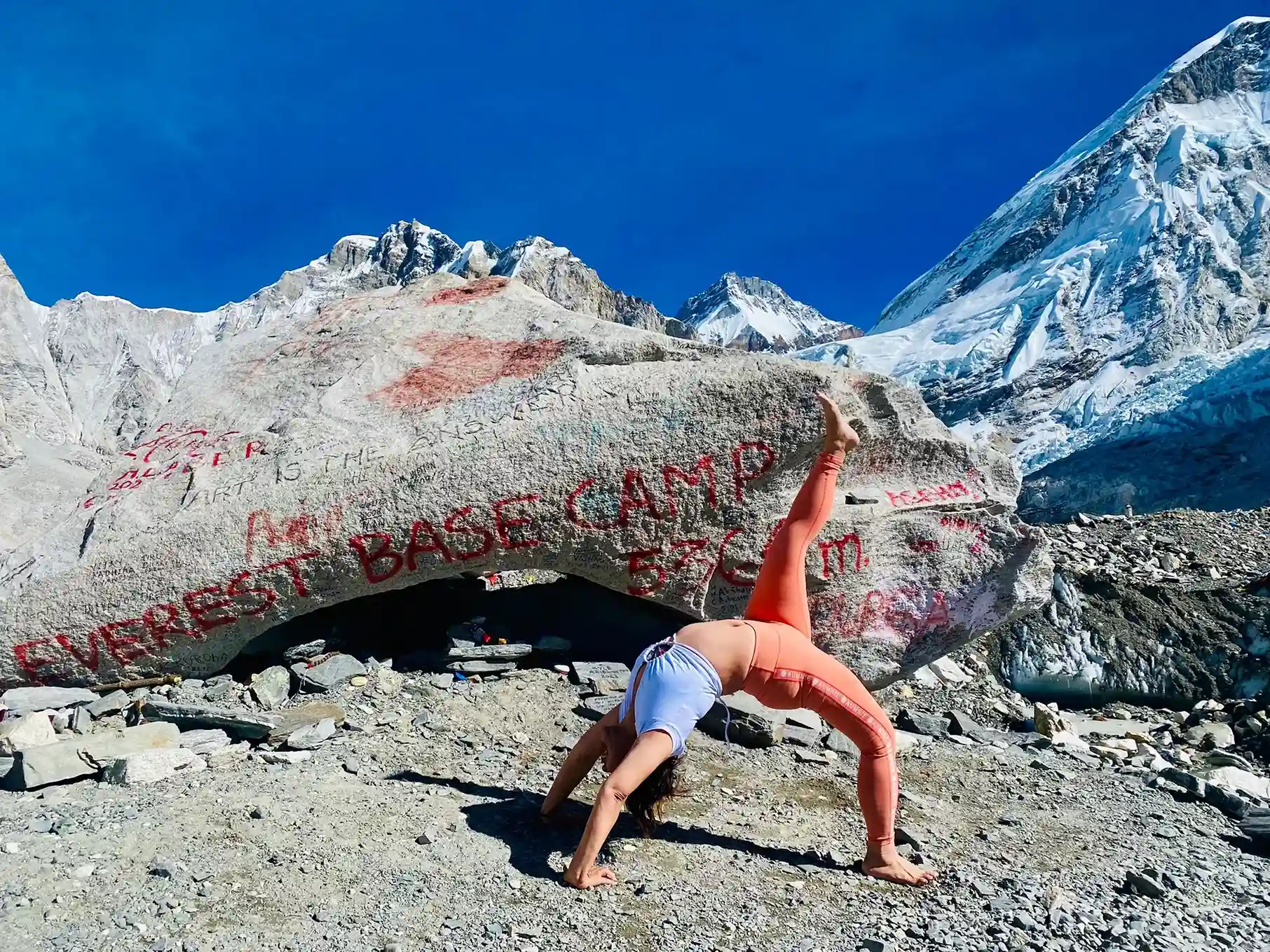
Along the way, trekkers explore the vibrant town of Namche Bazaar, the spiritual site of Tengboche Monastery, and the glacier-filled valleys leading toward Gorak Shep. The ultimate reward comes when you reach Everest Base Camp (5,364 m) and, for an even better view, climb to Kala Patthar (5,545 m) for a sunrise panorama of Everest’s south face.

Daily Experiences on the Trail

The Everest Base Camp Trek is more than just mountain views it’s a cultural immersion.
You’ll share the trail with friendly yaks, cross swaying suspension bridges over roaring rivers, and enjoy warm hospitality in traditional Sherpa teahouses. Evenings bring hearty meals such as Dal Bhat, Tibetan bread, and hot soups, while the crisp mountain air and star-filled skies create an unforgettable atmosphere.

Accommodation and Meals

Comfortable teahouse lodges line the route, providing cozy rooms with clean beds, warm blankets, and shared bathrooms. Many offer Wi-Fi, hot showers, and charging facilities for a small fee.
Meals are freshly prepared and range from traditional Nepali dishes to pasta, noodles, and pancakes—perfect for keeping your energy high on long trekking days.

Difficulty and Fitness

The Everest Base Camp Trek is graded moderate to challenging.
Trekkers should be prepared for 5–7 hours of hiking per day, with gradual ascents that allow for proper acclimatization. While no technical climbing is required, a good fitness level and determination are essential for reaching the base of the world’s tallest mountain.

Best Time to Trek Everest Base Camp

The best seasons for the Everest Base Camp Trek are:

  • Spring (March–May): Mild temperatures, clear skies, and blooming rhododendrons.
  • Autumn (September–November): Stable weather and crystal-clear mountain views.

Winter offers fewer crowds but colder conditions, while the monsoon season (June–August) brings rain and cloudy skies.

Responsible Trekking and Safety

The trail lies within Sagarmatha National Park, a UNESCO World Heritage Site.
To preserve the fragile ecosystem, trekkers are encouraged to use refillable water bottles, avoid plastic waste, and respect local customs.
Experienced guides monitor your health daily and adjust the pace or itinerary if weather or altitude issues arise, ensuring a safe and rewarding journey.

Why the Everest Base Camp Trek is Unforgettable

  • Stand at the base of Mount Everest and witness the world’s highest peak up close.
  • Experience Sherpa culture in traditional mountain villages and monasteries.
  • Trek through diverse landscapes, from pine forests to glacial moraines.
  • Capture once-in-a-lifetime photographs of Everest, Lhotse, Ama Dablam, and more.

The Everest Base Camp Trek is more than just a trek it’s a journey of adventure, culture, and personal achievement. Whether you’re a seasoned hiker or a first-time adventurer, this legendary trail promises memories that last a lifetime.