


Overview
Duration
16 Days

Country
Nepal

Activities
Trekking, Peak Climbing

Island Peak Climbing – An Unforgettable Himalayan Adventure
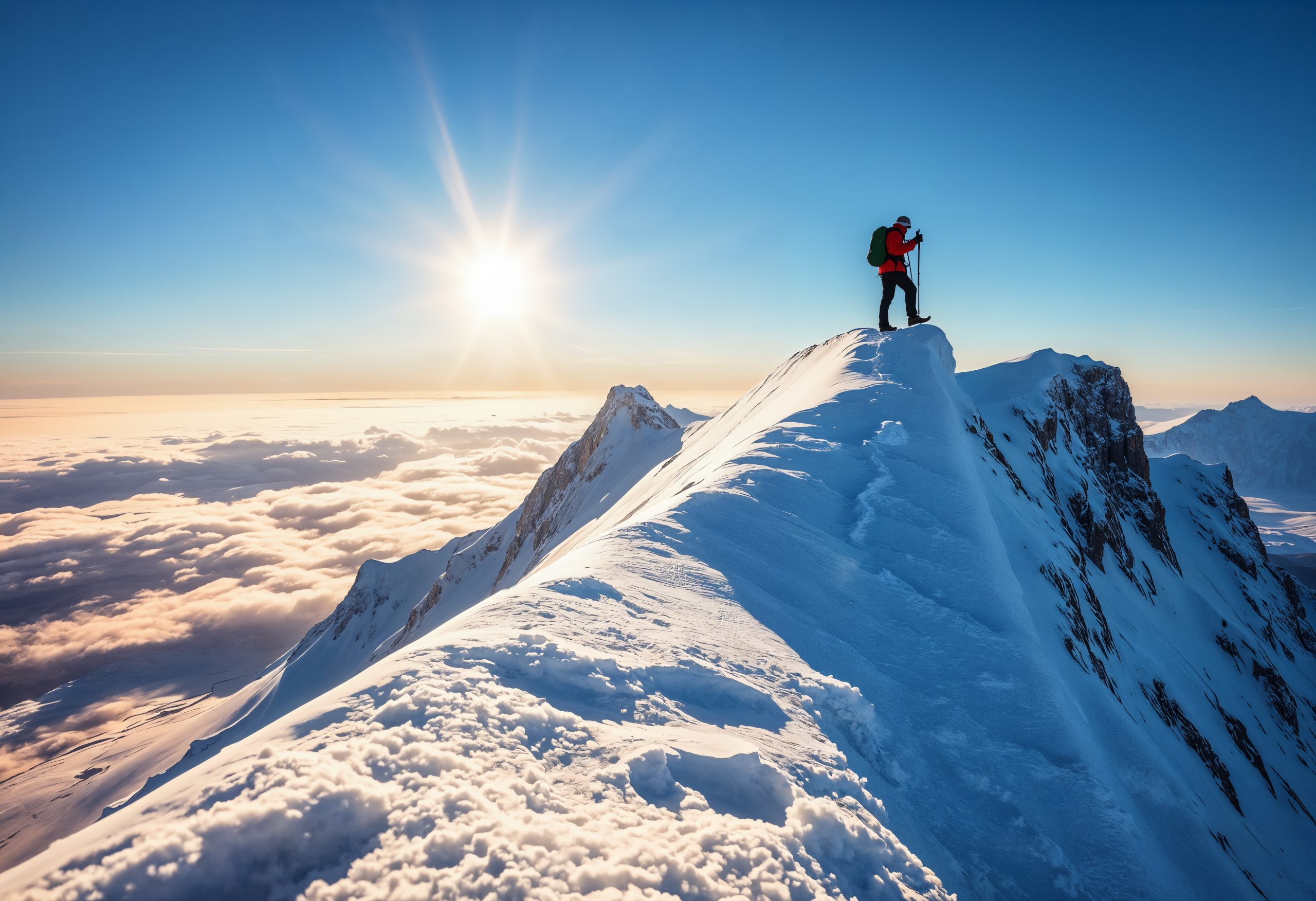
Embark on the Island Peak Climbing expedition and experience the raw beauty and thrill of Nepal’s Everest region a dream destination for trekkers, climbers, and adventure enthusiasts. Situated within the UNESCO World Heritage Site of Sagarmatha National Park, this journey offers not just adventure, but an immersion into the rich biodiversity and time-honored culture of the Himalayas.
About Island Peak (Imja Tse)
Rising to 6,189 meters (20,305 feet), Island Peak, locally known as Imja Tse, is one of the most sought-after trekking peaks in the Khumbu region. Ideal for both novice climbers and experienced mountaineers, it was first summited in 1953 by Tenzing Norgay and his team as part of Everest training. Since then, it has become a beacon for mountain lovers across the globe.
Expedition Highlights
The Journey Begins
Your adventure starts with a scenic flight from Ramechap to Lukla, the famed gateway to Everest. From there, the trek progresses through Phakding and then to Namche Bazaar, the Sherpa capital. After acclimatizing in Namche, the route continues to Tengboche, where the renowned Tengboche Monastery welcomes travelers with a blend of spirituality and Sherpa heritage.
Stunning Trails and Acclimatization
As you ascend, you’ll pass through forests of birch, conifer, and rhododendron, enjoying panoramic views of Mt. Everest, Lhotse, and Ama Dablam. The next stop is Dingboche, followed by a hike to Chukkung, which serves as another vital acclimatization point. You’ll also have the opportunity to trek to Chukkung Ri, offering sweeping views of surrounding peaks.
Island Peak Base Camp and Summit
From Chukkung, the route leads to Island Peak Base Camp, navigating past the Lhotse Icefall and Imja Glaciers. Here, you’ll receive essential pre-climb training, including rope handling, crampon usage, and safety protocols. The summit climb involves the use of fixed ropes, ladders, and crampons, making it a technical but accessible peak.
Reaching the summit rewards you with breathtaking 360-degree views of Lhotse, Makalu, Ama Dablam, Baruntse, and many more Himalayan giants. After celebrating this achievement, you’ll return to base camp and begin your descent back through the Khumbu Valley.
Return and Farewell
The return trek passes once again through Namche Bazaar, before heading back to Lukla for your flight to Ramechap and onward to Kathmandu, where your journey concludes.
Best Time to Climb
The ideal seasons for Island Peak climbing are:
- Spring (March–May): Clear skies, stable weather, and warmer temperatures make this the most popular season.
- Autumn (September–November): Cool, dry conditions with fewer crowds and excellent visibility.
Avoid:
- Monsoon (June–August): Heavy rains and poor trail conditions
- Winter (December–February): Extreme cold, snow, and challenging weather
Meals During the Expedition
Climbers are provided with a variety of meals combining traditional Nepali cuisine and international dishes.
- Breakfast: Porridge, eggs, toast, and tea/coffee
- Lunch/Dinner: Rice, lentils, seasonal vegetables, meat options, soups, and pasta
At base camp, meals are freshly prepared by skilled cooks to ensure you receive the nutrition and energy needed for high-altitude performance.
Drinking Water
Clean drinking water is readily available at lodges along the trekking route. However, trekkers are strongly advised to use purification tablets or filter
Expert Guiding Services by Alpine Club of Himalaya
Alpine Club of Himalaya provides comprehensive guiding services led by highly trained professionals with deep knowledge of the terrain and climbing strategies.
- Personalized assistance for acclimatization and climbing
- Constant monitoring of your health and performance
- Flexible itinerary adjustments based on weather and safety
- Cultural insights and environmental education along the way
Your safety and success are our top priorities, allowing you to focus on the challenge and the beauty of the journey.
Weather and Climate Conditions
The Himalayan climate is highly variable, especially at high altitudes:
- Pre-monsoon (April–May):
- Daytime at base camp: -5°C to 10°C (23°F to 50°F)
- Nighttime: Much colder, often below freezing
- Generally stable and dry conditions
- Post-monsoon (Late September–November):
- Cooler temperatures
- Slightly more unpredictable but still favorable for summit attempts
Be prepared for sudden changes, including high winds, snowfall, and storms, particularly above 5,000 meters. Proper gear and contingency planning are crucial.
Weather Challenges
Island Peak climbing poses significant weather-related risks. Sudden storms, high winds, and rapid temperature shifts are common, especially at higher elevations. The approach to the summit can be dangerous during the warmer afternoon hours due to shifting ice and snow. Wind chill and frostbite are concerns at high camps, requiring proper gear and constant monitoring. Your experienced Alpine Club of Himalaya guides will adapt plans daily to ensure safety and increase summit success.
Weather Forecast
Climbing success hinges on favorable weather. The best seasons are April–May (pre-monsoon) and September–October (post-monsoon), offering clearer skies and more stable temperatures. Daytime temperatures at Base Camp range from -5°C to 5°C (23°F to 41°F), dropping further at higher altitudes. Your guides provide daily updates to align summit attempts with the best conditions.
Tracking Weather Tips
- Use Local Forecasts: Apps and Nepali services for regional updates.
- Check Satellite Imagery: Observe cloud formations and wind patterns.
- Rely on Your Guides: Guides have access to real-time information on trail conditions.
Environment
The Island Peak region features striking landscapes lush valleys, glaciers, and alpine ecosystems. This fragile area is highly sensitive to climate change and human activity. Alpine Club of Himalaya promotes eco-conscious practices like Leave No Trace, minimizing waste, and respecting local cultures.
Difficulty Level
Island Peak is a demanding climb, best suited for those with mountaineering experience. The route includes glaciers, steep inclines, and technical terrain. Climbers should be proficient with ropes and gear and be physically fit. With Alpine Club of Himalaya’s support and proper training, this adventure is both achievable and unforgettable.
Safety and Security
Safety is central to every expedition. Pre-trek briefings cover health and protocols. Experienced guides monitor your condition and are trained for emergencies. Camps are equipped with communication tools, satellite phones, and first-aid kits. Proper safety gear helmets, ropes, harnesses is provided.
Travel Insurance
Travel insurance is mandatory. It must cover high-altitude trekking, emergency evacuations, and medical care. Confirm coverage limits and exclusions, and share your insurance details with your guides before the trek.
Passport and Visa
You need a passport valid for at least 6 months and a Nepali tourist visa, available on arrival or via consulate. Visa fees:
- 15 Days – $30
- 30 Days – $50
- 90 Days – $125
Carry your visa/passport during the trek for checkpoints.
Physical Fitness
Climbers must be in good shape. Training should include cardio, strength training, and trekking with weight. Prior high-altitude experience is highly recommended.
Training Tips
Start preparing 3–6 months before the climb. Include long hikes with a backpack, learn basic mountaineering skills, and train at higher elevations if possible. Gear preparation and attending a climbing course are also recommended.
Altitude Sickness
AMS is a real risk above 2,500m. Symptoms include headaches, nausea, and dizziness. Prevention includes slow ascent, staying hydrated, and rest. Alpine Club guides are trained to detect and respond to AMS, ensuring your safety throughout.
Role of Alpine Club of Himalaya
The Club supports safe, sustainable expeditions by providing expert guides, safety training, and awareness on altitude sickness. They also lead workshops and promote environmental preservation.
Acclimatization
Your itinerary includes scheduled acclimatization days. Gradual ascent, hydration, and adequate rest are key. Guides monitor your health and adjust plans if needed to optimize your adaptation and summit success.
Facilities & Camp Setup
- Base Camp (5,200m): Dining, sleeping, and kitchen tents with clean sanitation.
- Sleeping: Weather-resistant tents, mats, and warm blankets.
- Meals: High-energy, nutritious meals with hot drinks.
- Safety: Communication devices, emergency kits, and fixed ropes.
- Acclimatization tents: Available for rest and recovery.
Lukla Flights & Weather
Flights from Kathmandu to Lukla (~40 min) are weather-dependent. Delays are common due to wind and cloud cover. Best flying conditions are during April–May and Sept–Oct.
Alternatives if flights are delayed:
- Trek from Jiri (adds days, but helps acclimatization).
- Helicopter service (costly but quick).
- Drive to Phaplu and trek to Lukla.
- Wait in Kathmandu until weather clears.
Entry Permits & Fees
You’ll need:
- Sagarmatha National Park Permit – NPR 3,000
- Khumbu Rural Municipality Permit – NPR 2,000
- Island Peak Climbing Permit:
- Spring: $250
- Autumn: $125
- Off-season: $70
All permits will be arranged by the Alpine Club of Himalaya.
Cancellation Policy
Participant Cancellation:
- 60 days: 20% fee
- 30–59 days: 50% fee
- 30 days: No refund
Organizer Cancellation:
Full refund or rescheduling if canceled due to weather or emergencies.
Force Majeure:
No liability for cancellations due to events like natural disasters, strikes, or political unrest. Itinerary changes may occur for your safety, and your cooperation is appreciated.
Itinerary
Start your day with a hearty breakfast and then spend the whole day sightseeing in Kathmandu, which is often called the “City of Glory.” Your first stop will be Durbar Square, which is the centre of Kathmandu’s cultural life and a UNESCO World Heritage Site. There, you can be amazed by the intricate Newari architecture and old temples such as Kal Bhairav and Taleju Temple. Keep going until you reach Swayambhunath Stupa, which is also called the Monkey Temple and has stunning views of the Kathmandu Valley. Next, go to Pashupatinath Temple, which is a holy Hindu site dedicated to Lord Shiva. From the eastern bank of the Bagmati River, you can watch rituals being performed by local priests. Your last stop will be Boudhanath, which is one of the world’s biggest Buddhist stupas and a peaceful place to think. Today will not only get you ready for your trip, but it will also help you understand Nepal’s rich cultural tapestry better.

Max. Altitude:
4593 feet

Hotel

Meal
Breakfast
Today is the first day of your trekking trip. You’ll take an early morning flight to Lukla, a beautiful settlement on a hilltop. This beautiful 40-minute flight takes you over lush forests and tall mountains, setting the scene for your trip into the heart of the Himalayas. Before you start your hike to Phakding, you’ll have a short break when you get to Lukla to get used to the new environment.
The trail goes through cute Sherpa villages like Chheplung and Ghat as it goes down through terraced farmlands. You’ll have the chance to stop by the ancient Drangdrak and Pema Choling Gompas along the way. These places are very peaceful and have beautiful views of the sacred peaks of Kumbila and Kusum Kanguru. The trail is clearly marked and is a good way to get started with trekking while still letting you enjoy the local culture and scenery.
Max. Altitude:
2,800 Meters/9,186 Feet
Hotel
Meal
Breakfast,Lunch,Dinner
As you make your way to Namche Bazaar, the economic centre of the Khumbu region, today’s trek will give you stunning views and a chance to learn about local culture. After breakfast, cross a few suspension bridges over the Dudh Koshi River. As you go through villages like Tok-Tok, Bhenkar, and Monjo, enjoy the beautiful scenery. Your permits will be checked at the Sagarmatha National Park entrance gate before you can enter this beautiful national park. Before the trail starts to climb steeply up to Namche Bazaar, keep going along the riverbank and cross the famous Hillary suspension bridge. There are many services here, like shops, restaurants, and even ATMs, which makes it a lively place to stop on your way.
Max. Altitude:
3,440m
Hotel
Meal
Breakfast, lunch, and dinner Day 4: Acclimatization Day in Namche Bazaar
For a high-altitude trek to go well, you need to get used to the altitude, and today you’ll spend time doing that in Namche Bazaar. Take short hikes to nearby lookout points, like Everest View Resort, to get amazing views of the world’s tallest mountain. You might want to visit Thame or Khunde, two lovely villages with long cultural histories. In your free time, check out Namche Bazaar. At the Tourist Visitor Centre, you can learn about Sherpa culture and see artefacts from the first people to climb Everest. This day is very important for making sure that your body adjusts well to the higher elevation, which will make your trekking experience better overall.
Max. Altitude:
3,440m
Hotel
Meal
Breakfast, lunch, and dinner Day 4: Acclimatization Day in Namche Bazaar
Today, your trek continues along the beautiful Dudh Koshi River, with views of famous peaks like Ama Dablam, Lhotse, and Mount Everest that will take your breath away. As you climb up to Tengboche, the trail winds through lush, dense forests, making for a peaceful atmosphere. The Tengboche Monastery, which is in this village, is famous for being the oldest and most important Buddhist monastery in the Khumbu region. When you get there, you can look around the monastery’s complex architecture and peaceful atmosphere, which is made better by the monks’ soothing chants. This experience not only makes your trip more interesting, but it also helps you learn more about the spiritual practices and culture of the area.
Max. Altitude:
3,860m 3,860m
Hotel
Meal
Breakfast, lunch, and dinner Day 4: Acclimatization Day in Namche Bazaar
A beautiful walk to Dingboche is planned for today. It should take around four to five hours. Along the Imja Khola River and through beautiful high pastures, the path leads you. The trail slowly goes up after crossing a suspension bridge, giving you stunning views of the surrounding landscapes. You’ll find a unique mix of natural beauty and cultural richness in Dingboche, a friendly Sherpa village. This is a great place to take in the stunning views of the Himalayas and get ready for the challenges that lie ahead.
Max. Altitude:
4410 m 5,550m4,410m
Hotel
Meal
Breakfast, lunch, and dinner Day 4: Acclimatization Day in Namche Bazaar
In Dingboche, you’ll have another day of acclimatisation to help your body get used to the higher elevation. After going through the Imja Khola Valley, today’s adventure takes you to the beautiful Chhukung Valley. The hike to Chhukung Ri has a moderate ascent, but the views of Lhotse, Makalu, and other huge mountains are truly breathtaking. This acclimatisation trip not only gets you physically ready, but it also gives you amazing photo opportunities with the Himalayas in the background. Visit new places during the day, then relax at Dingboche in the evening.
Max. Altitude:
5550 m
Hotel
Meal
Breakfast, lunch, and dinner
Today you should go to Chhukung. From the trail there are beautiful views of Island Peak, Lhotse, and Makalu. The walk lasts about three hours, so you can take your time and enjoy the beautiful scenery. When you get to Chhukung, check into your tea house and then go out and look around for a while. The views of the mountains will be mesmerising as the sun goes down, making for an unforgettable evening. This peaceful place is great for thinking and getting ready for the climbing days to come.
Max. Altitude:
4730 m
Hotel
Meal
Breakfast, lunch, and dinner
The walk to the Island Peak Base Camp today is an exciting change. From Chhukung, the path winds along the moraine of the Lhotse Glacier and goes up steeply. You’ll walk along a stream for a while and then cross the glacier moraines to get to a wide valley close to Island Peak. This area has beautiful views and gets you ready for the climbing challenges that are coming up. As you settle in to your makeshift camp in the beautiful Himalayan scenery, the thrill grows.
Max. Altitude:
5087 m
Hotel
Meal
Breakfast, lunch, and dinner
The climbing season starts today with an ascent in the early morning. You’ll face the difficulties of climbing to the top of Island Peak, which is one of Nepal’s most popular trekking peaks. It takes mental and physical toughness to make the climb, but the reward is amazing: from the top, you can see all the peaks and valleys around you. Once you’ve reached the top, you’ll head back to Base Camp, where you can celebrate with your team and think about what you’ve accomplished.
Max. Altitude:
6165 m
Hotel
Meal
Breakfast, lunch, and dinner
After breakfast, it’s time to go down to Pangboche, which is the Khumbu region’s highest permanent Sherpa settlement. The trip takes you on a beautiful walk through a variety of landscapes, giving you a new way to enjoy the beauty of the area. When you get there, use the time to rest and get better. After you get settled, you should go to the oldest Buddhist gompa in the area to learn more about the area’s rich spiritual history.
Max. Altitude:
6165 m
Hotel
Meal
Breakfast, lunch, and dinner
After breakfast, you will leave the beautiful village of Pangboche and begin your hike back to Namche Bazaar. The trail goes through lush hills and dense forests, so you can see a lot of different plants and animals that live in the area. As you walk, enjoy the stunning views of the peaks nearby, such as the huge Ama Dablam. When you get to Namche Bazaar, which is the region’s busy economic hub, you’ll go to your tea house. Tonight, celebrate with your team members that you made it to the top of Island Peak. As you do so, think about the challenges you faced and the bonds you made on this unforgettable journey.
Max. Altitude:
3985 m
Hotel
Tea House
Meal
Breakfast, lunch, and dinner
Today is the last day of your trek from Namche Bazaar to Lukla. The trail that goes downhill along the Dudh Koshi River has beautiful views. You’ll cross several suspension bridges and see old monasteries that show the area’s spiritual history. The trail gives you many chances to take beautiful pictures of the scenery and animals in the area. When you get to Lukla, take some time to unwind and enjoy your last night in the mountains. Enjoy the company of your fellow trekkers as you think back on the exciting things you’ve done and seen together on the trip.
Max. Altitude:
3440 m
Hotel
Meal
Breakfast, lunch, and dinner
You’ll say goodbye to the mountains as you head to Lukla Airport for your flight back to Kathmandu after an early breakfast. The views from above are amazing, and this flight is the perfect way to end your Himalayan adventure.
When you get to Kathmandu, you’ll be taken to your hotel, where you can relax and think about all the amazing things that have happened to you. People are looking forward to going to the busy city, which has lots of markets and delicious food. Spend the evening relaxing and telling other trekkers about your adventures.
Max. Altitude:
1440 m
Hotel
Meal
Breakfast, lunch, and dinner
As your trip to Nepal comes to a close, take some time to think about all the amazing things you’ve done. You will be picked up at your hotel by someone from the Alpine Club of Himalaya who will also help you get to the airport. You will be dropped off three hours before your flight, which will make sure that everything goes smoothly. You will also have great memories and a sense of adventure to take home with you.
Note: The trekking hours listed in this itinerary are only rough estimates. Use them as general guides for your trip.
Max. Altitude:
Hotel
Meal