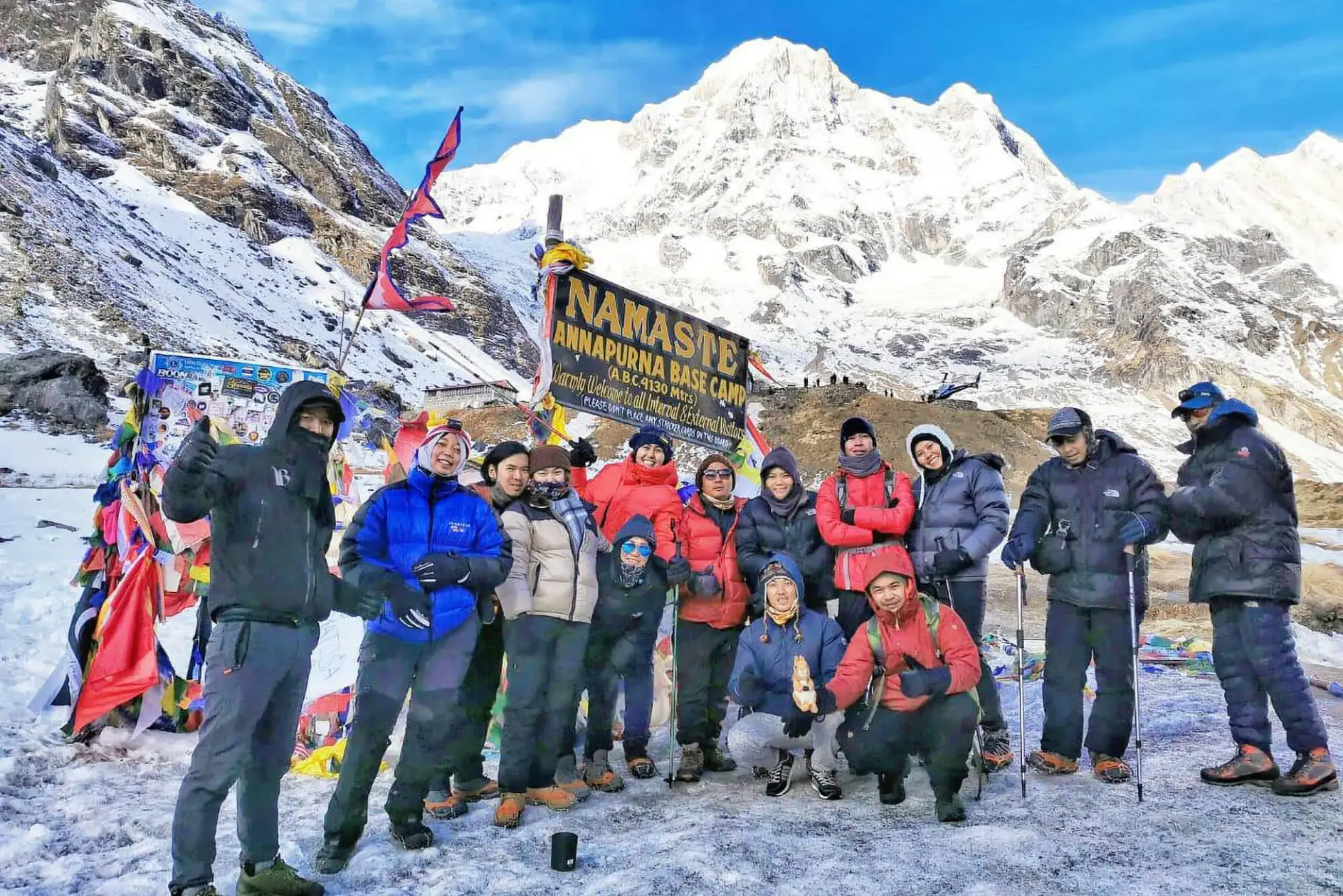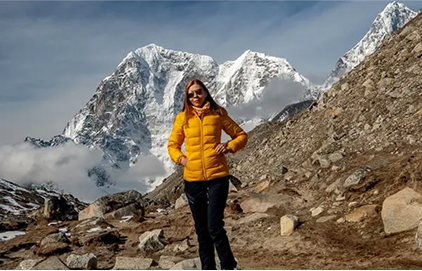


The famous Annapurna range is part of the Annapurna with Tilicho Lake Trek, which is a beautiful trip. This walk combines two of the most well-known routes in the area. Taking you from well-known trails to remote parts of Nepal. This part of the trail isn’t often visited by tourists from other countries, and the scenery hasn’t changed much in hundreds of years.
From the thick jungles in the middle of Nepal to the high mountain valleys and frozen lakes, I went trekking. Going to some of the world’s most beautiful places with you. Join this trip through Nepal’s back roads, where stories await you at every turn. Finding out about the everyday lives of native people in places where people are culturally and spiritually rich. Near the foothills of the Himalayas, where nature is art. Join The Alpine Club of Himalaya on this rough and wild trip.
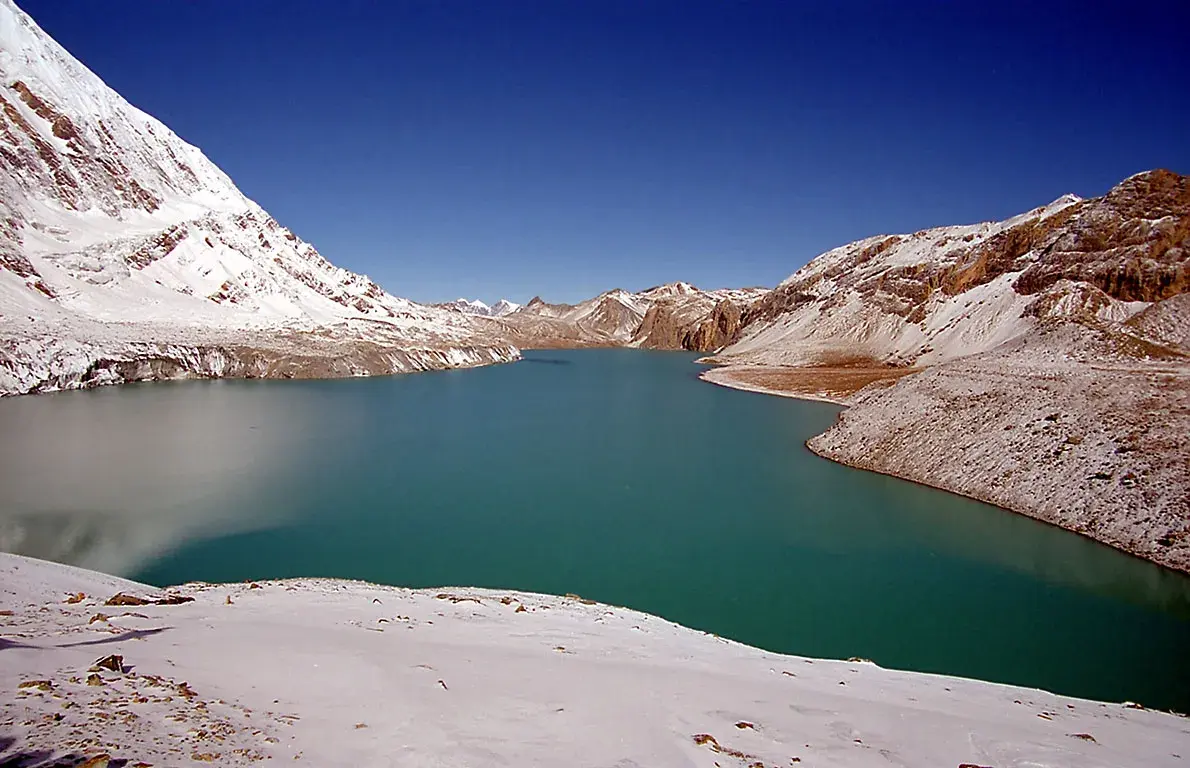
In this Annapurna Circuit, you can visit the base of Annapurna II, Annapurna III, Annapurna IV, Gangapurna, Tilicho Peak, and many other peaks. You can also see the beautiful 4919-meter Tilicho Lake. You will be going through magical and mysterious hills that are covered with a thick forest of rhododendrons, pines, conifers, and different kinds of orchids. The Annapurna with Tilicho Lake Trek is a great hiking trail for people who like to take risks.
Our journey starts.
The trip starts in Kathmandu, where several cultural heritage sites are seen. After that, take a car to Chamje, which is where your trek begins. From Chamje, go to Dharapani, which is one of the largest villages in the Manang District. Going through a number of different agricultural belts, waterfalls in the hills, and a number of villages. You can see Lamjung Himal, Annapurna II, and Annapurna IV from the trail that leads from Dharapani and goes up. Going over some small hot springs to get to Chame, which is the district seat of Manang in the Gandaki Zone of northern Nepal.
After that, go to Pisang and see the famous Paungda Danda rock face. Turn left at Pisang and head towards Manang. From the trail, you can see Mount Annapurna, Pisang Peak, and many other peaks in the distance. It is colder and drier there, and the land is dry and rocky. When you get to Manang, go to Barge Monastery, which is the largest monastery in the Manang District.
Barge from the monastery to Khangsar and then to the base camp at Tilicho Lake
Now keep going on your way up to Khangsar village. When you visit the Tore monastery, one of the area’s old monasteries, you’ll see that almost every surface of the building is decorated with beautiful patterns. And go to the base camp at Tilicho Lake. From there, you can see beautiful views of the mountain valley and wide grassy fields.
From Base Camp, go towards Tilicho Lake. The peaks of Tilicho, Nilgiri, Khangsar, and Muktinath will be in the background. After exploring the lake area and the peaks nearby, you should return to Base Camp. Then keep going on your way to Yak Kharka. Pasture land in the Himalayas and towards Thorang Phedi, the last village before Thorong La pass.
The end of our walk
The next day, they go over the high Thorong La pass and then go down to Muktinath. A holy place where Hindus and Buddhists go on pilgrimages. Then go to Jomsom, which is high up in the Kali Gandaki Valley and where your trek ends. You can take a scenic flight from Jomsom to Pokhara, also known as the “City of Lakes,” and then back to Kathmandu.
The Annapurna with Tilicho Lake Trek is the best trek for people who want to walk the Annapurna circle trail and also see the peaceful Tilicho Lake. Join The Alpine Club of Himalaya on this exciting trip.
Meals and water:
On the Annapurna Region Trek, you’ll be served a variety of Continental and Western dishes as well as Nepalese and Tibetan dishes. Along the trail, there are a number of teahouses that are run by locals and offer basic to high-end amenities. These are great places to try a variety of foods that you won’t be able to find on most of Nepal’s trekking trails.
As of now, the Annapurna Region does not allow the use of plastic bags or mineral water bottles. Along the trekking trail, however, there are drinking water taps with natural water sources that have not been treated, so it is not advisable to drink the water directly. You can refill your water bottles with boiling water or cold filter water at any of the teahouses along the trail.
If you want to be even safer, save money, and help clean up the environment, buy a water purification tablet, chlorine drops, or use SODIS (sunlight assisted) filtration methods.
Accommodations:
Hotels, lodges, and other places to stay that are friendly to tourists can be found along trekking trails. These range from simple rooms to fancy and luxurious ones. From high-end hotels to cosy teahouses, the trail has something for everyone. The hotels and teahouses have comfortable beds with pillows, electric blankets, hot and cold showers, free Wi-Fi, and more.
The teahouses in the Annapurna region have hot showers and western-style bathrooms that are attached to the rooms. The rooms usually have a single bed, good mattresses, a pillow, and blankets, and there is a clean and healthy atmosphere.
Along the trail, there are also campsites that offer campers a unique chance to sleep under the stars.
When is the best time to go?
This area around Annapurna is best for trekking in the autumn and spring.
The best times to go are in September, October, November, March, April, and May. In terms of weather and visibility, these months are better.
When it comes to trekking in this area, September, October, and November are some of the best months to go because the weather is clear and you can see for miles through the lush green forests and endless mountain ranges. The nights are also clear, so you can look at the stars.
The Annapurna Region is also at its most beautiful in the spring, in March, April, and May. The end of winter brings about a change in the area, with different kinds of trees blooming in the sub-alpine forest, high green pasturelands covered with wildflowers, mild temperatures, and clear skies. Sheep and yaks will be grazing in large groups in the green highlands this time of year.
The monsoon season is not good because the weather is bad and it’s hard to get around the country because of the frequent rainstorms and landslides. So, trekkers try to avoid the monsoon season as much as possible.
In the winter, the Annapurna Region gets a lot of snow, which covers most of the trails and makes it impossible to travel.
At the Alpine Club of Himalaya, your safety is the most important thing to us. We can cancel the trip or change the plans at any time if we think it’s necessary or if we have reason to believe that your safety is at risk. When travelling in remote mountain areas, things like bad weather, natural disasters, the health of a group member, and other things can cause changes to the plan. We kindly ask that you fully support the trusted leader of the group chosen by the Alpine Club of Himalaya in these very dangerous situations. We promise, though, that we will do everything we can to stick to the above schedule.