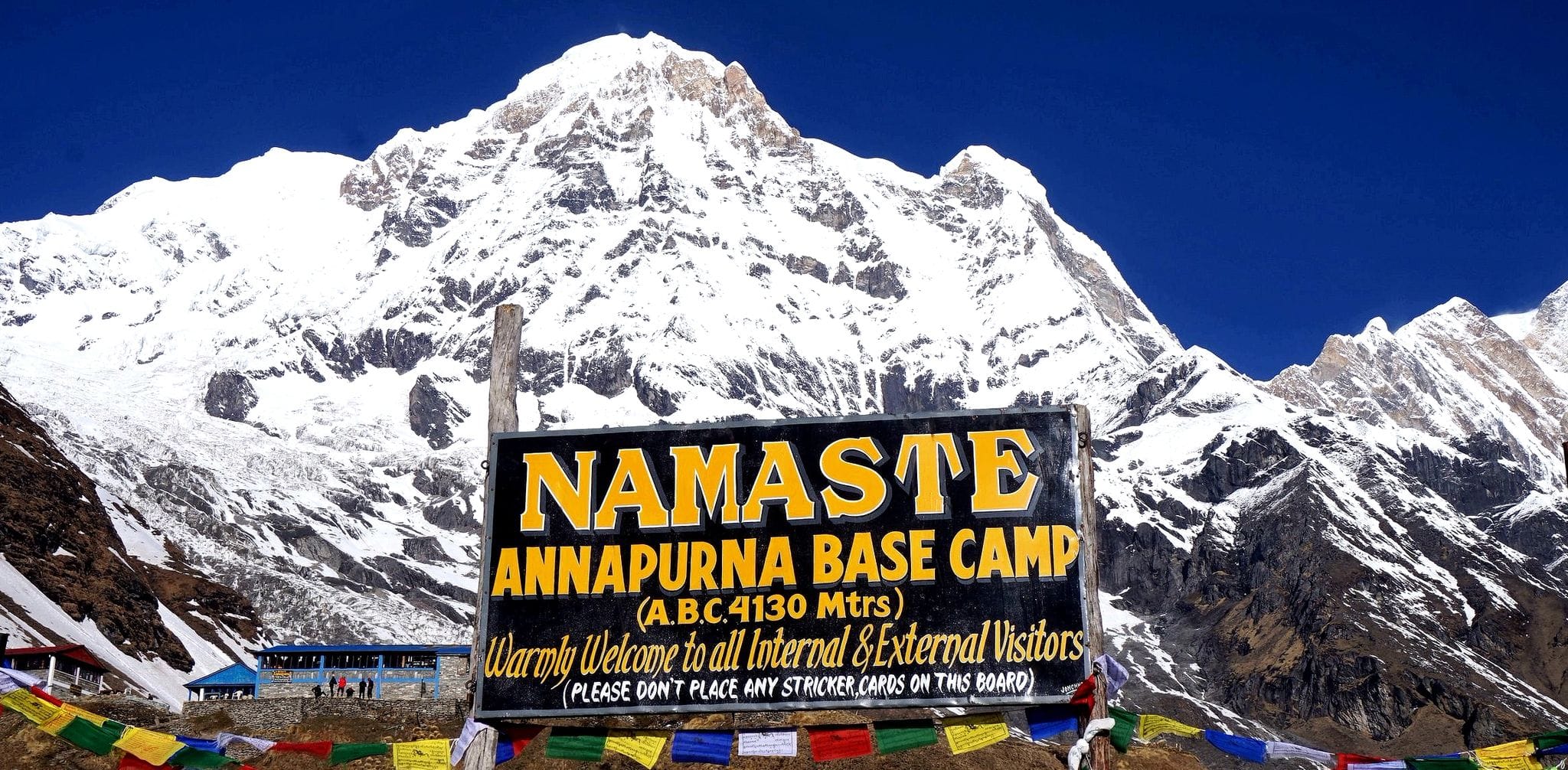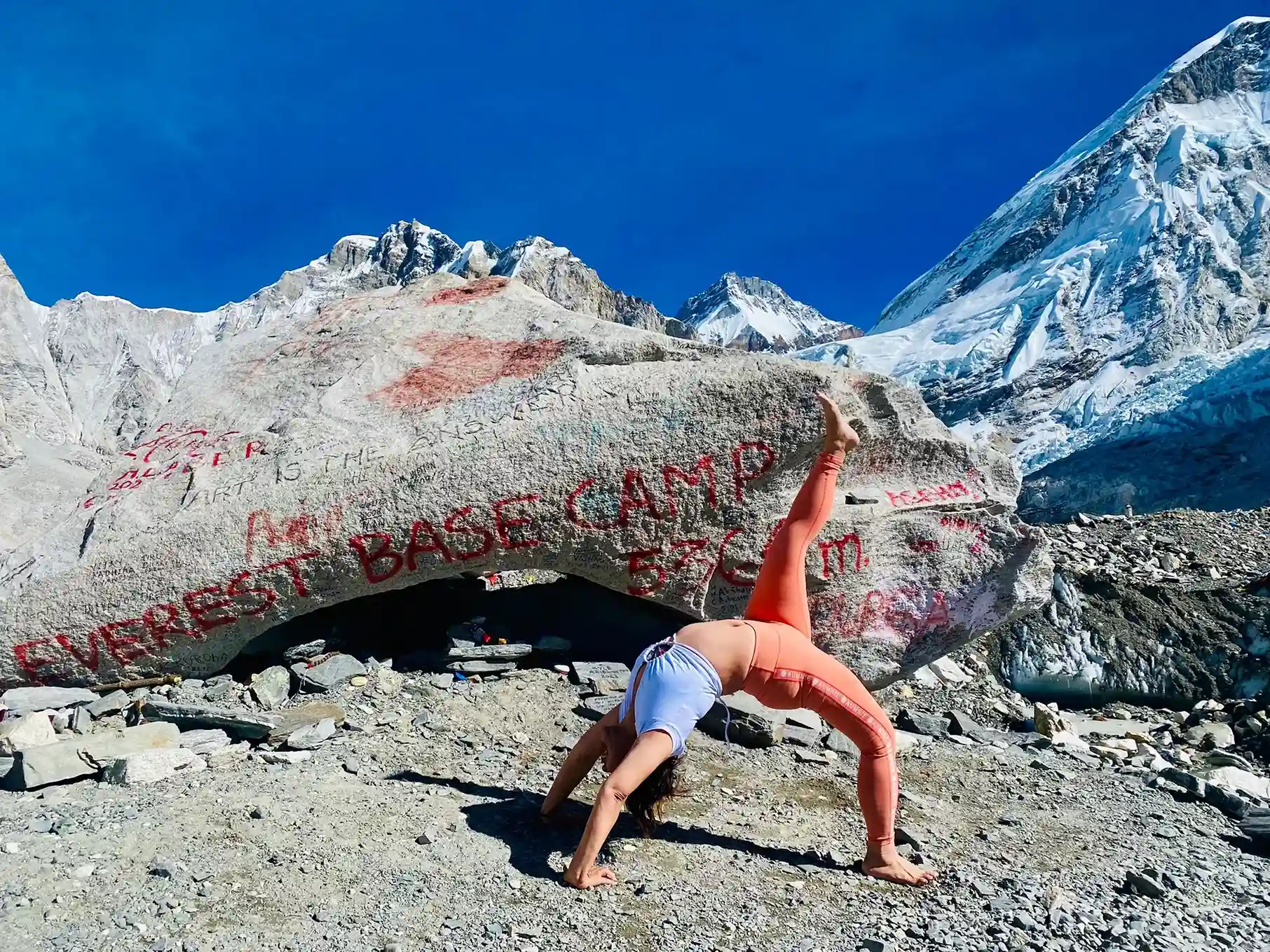


Trekking to Everest Base Camp (EBC) is one of the world’s most iconic adventures.
Set in Nepal’s majestic Himalayas, this journey offers unforgettable mountain panoramas and deep cultural encounters.
But while the Everest Base Camp Trek draws thousands of trekkers each year, one of its biggest challenges is altitude sickness—a condition caused by the body’s struggle to adapt to lower oxygen levels at high elevations.
Understanding altitude sickness, its symptoms, and how to prevent it is essential for a safe and successful trek to Everest Base Camp.
With the right preparation, you can minimize risks and fully enjoy the adventure of a lifetime.
What Is Altitude Sickness?
Altitude sickness, or Acute Mountain Sickness (AMS), occurs when your body cannot adjust to the reduced oxygen levels found at high altitudes.
As you ascend, the air becomes thinner, making it harder for your body to get enough oxygen.
Mild AMS symptoms can include:
- Headache
- Dizziness
- Nausea or vomiting
- Fatigue
- Shortness of breath
- Difficulty sleeping
- Loss of appetite
If left untreated, altitude sickness can progress to more serious conditions like:
- High Altitude Pulmonary Edema (HAPE): fluid in the lungs
- High Altitude Cerebral Edema (HACE): fluid in the brain
Both HAPE and HACE are life-threatening and require immediate medical attention.
Symptoms to Watch For
Recognizing the early warning signs of altitude sickness can save lives.
Be alert for:
- Persistent headaches or dizziness
- Shortness of breath, even at rest
- Nausea or vomiting
- Confusion or loss of coordination
- Chest tightness or a persistent cough with frothy fluid
If symptoms worsen, descend immediately and seek medical help.
How to Prevent Altitude Sickness on the EBC Trek
Prevention is the key to enjoying a safe and rewarding Everest Base Camp trek.
Follow these expert tips:
1. Gradual Ascent
Never climb too high too quickly.
Above 3,000 meters, limit your daily altitude gain to 300–500 meters and schedule regular rest days.
2. Acclimatization Days
Rest days in places like Namche Bazaar (3,440 m) and Dingboche (4,410 m) allow your body to adapt before moving higher.
3. Stay Hydrated
Drink 3–4 liters of water per day. Avoid alcohol and excess caffeine, which dehydrate the body.
4. Eat Carbohydrate-Rich Meals
Carbohydrates provide the energy your body needs at high altitude and support better acclimatization.
5. Pace Yourself
Walk at a steady, comfortable pace. Overexertion increases the risk of AMS.
6. Consider Preventive Medication
Ask your doctor about Diamox (acetazolamide), which can help reduce symptoms of altitude sickness.
7. Listen to Your Body
Never ignore warning signs.
If you feel unwell, stop ascending. Descend if symptoms persist or worsen.
What to Do If You Develop Altitude Sickness
If you or a fellow trekker experience AMS symptoms, take these steps immediately:
- Descend to a Lower Altitude:
Even a drop of 500–1,000 meters can significantly improve symptoms. - Rest and Hydrate:
Take a break, drink plenty of water or electrolyte solutions, and avoid alcohol. - Seek Medical Assistance:
Severe cases may require supplemental oxygen, medications like dexamethasone or nifedipine, or emergency evacuation.
Prompt action can prevent altitude sickness from becoming life-threatening.
Preparing for the Everest Base Camp Trek
Proper preparation greatly reduces the risk of altitude sickness and enhances your trekking experience.
Physical Fitness
Start training 3–4 months in advance with cardio exercises (running, hiking, cycling) and strength workouts to build endurance and leg power.
Essential Gear
Invest in high-quality trekking boots, warm layered clothing, a down jacket, gloves, a reliable sleeping bag, a water purification system, and sun protection (hat, sunglasses, sunscreen).
Travel Insurance
Ensure your policy covers high-altitude trekking, medical emergencies, and helicopter evacuation in Nepal.
Choose a Trusted Trekking Agency
A reputable operator, such as The Alpine Club of Himalaya, provides experienced guides, carefully planned itineraries, and proper acclimatization schedules to keep you safe.
Important Safety Note
At The Alpine Club of Himalaya, your safety is the top priority.
The trek leader may adjust or cancel the itinerary in response to weather conditions, group health, or natural events. Your cooperation in such situations ensures the safety of everyone on the trail.
Final Thoughts
The Everest Base Camp Trek is a once-in-a-lifetime journey to the foot of the world’s highest mountain.
By understanding the risks of altitude sickness, planning a gradual ascent, and trekking with experienced guides, you can safely enjoy the breathtaking Himalayan landscapes, Sherpa culture, and unforgettable views of Mount Everest.
With proper preparation and awareness, you’ll not only reduce the dangers of altitude sickness but also create memories that will last forever.